
Stronger Physical Security Means Partnering with Your IT Team
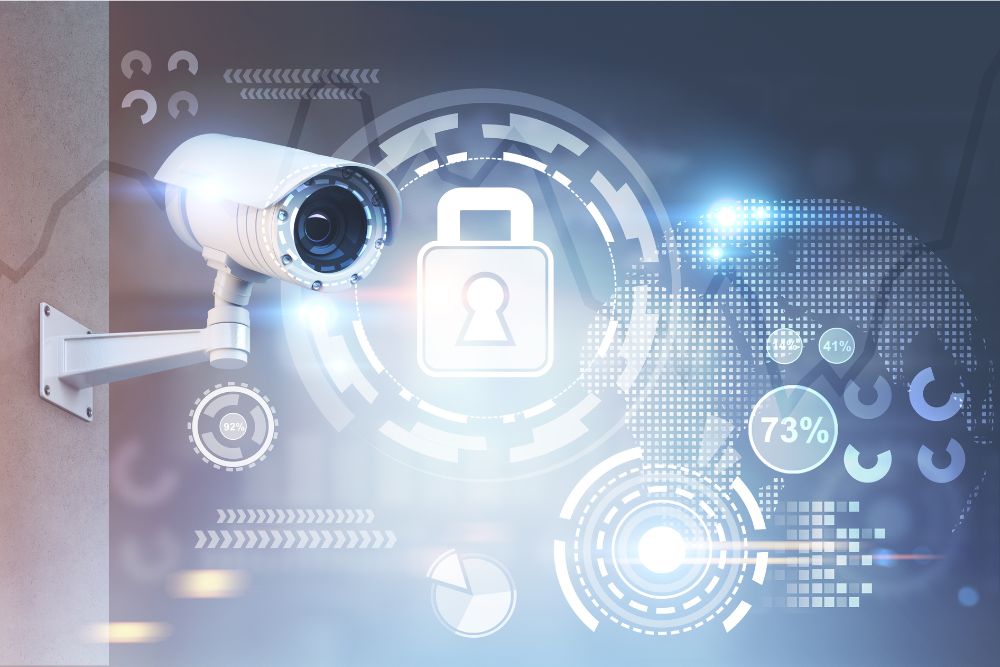
The convergence of physical security and IT has been happening for years, spurred initially by the transition from analog to IP-based systems and, more recently, by the move to cloud-based solutions.
This evolution has required close collaboration between IT, physical security, and facility teams. Findings from the 2026 Genetec State of Physical Security Report show that IT departments are playing a larger role in physical security purchasing decisions. IT was cited by end users, system integrators, and consultants as one of the top three departments now involved in the purchasing decision for new security technology.
While there’s been significant progress in collaboration, disconnects still exist between the teams, rooted in differing skill sets, siloed priorities, and distinct ways of thinking. Physical security teams excel at identifying and mitigating physical threats. Facility teams maintain and manage the infrastructure. IT teams specialize in securing systems and networks.
It’s important to break down the barriers. Collaboration between the teams strengthens resilience by uniting cyber and physical defenses. All skill sets are critical for a comprehensive security strategy.
Why IT Has a Larger Role Now Than Ever Before
For facility, security, and IT teams, today’s rapidly expanding Industrial Internet of Things (IIoT) ecosystem presents both opportunities and challenges. From an IT perspective, attack vectors can take many forms—not just cameras or software, but also smart lighting, access control hardware, or other IoT-connected devices. The proliferation of networked devices, including cameras, card readers, and various IoT sensors, introduces new security vulnerabilities and hardware management challenges.
IT leaders are accountable for protecting sensitive assets, including intellectual property, employee records, and financial data. Failure to perform due diligence can expose the organization to regulatory penalties, reputational damage, and operational disruption. While facility and security teams may be excited by new capabilities and technologies, IT teams first want to understand how a platform manages cyber risks.
Key Aspects the IT Team Is Considering
To foster stronger collaboration with your IT team, have the same goals for data governance, network impact, and cybersecurity. This posture goes a long way toward building trust. Look for manufacturers that incorporate cybersecurity and privacy as part of their design and expect their partners to share that same security mindset.
In practice, here are a few considerations to address when working with your IT team to select a new security system or solution:
1. Compatibility with the existing technology stack:
- Open integrations that support single sign-on (SSO), cloud platforms, and established systems
- Flexible deployment models that work in on-prem, cloud, or hybrid environments.
- Open platforms and architecture flexibility to allow new technology integrations and a smoother evolution over time.
2. Cybersecurity and regulatory compliance:
- Cyber tools such as a cybersecurity score with hardening guidelines, strong password requirements, and password automation.
- Data protection measures, such as end-to-end video encryption.
- Compliance capabilities aligned with relevant regulations and standards, depending on region and sector.
- Role-based access controls and multi-factor authentication to prevent unauthorized access.
- Audit trails and activity logs that support oversight and compliance monitoring.
- Recognized cybersecurity certifications and standards for cloud-based services.
3. Reliability and system resiliency:
- Ease of maintenance, such as auto updates, firmware vaults, and downstream hardware updates.
- Defined service level agreements (SLAs) that support continuous operations.
- Disaster recovery capabilities, including automated failover and business continuity strategies.
- Scalable performance that supports growth without degrading system reliability.
Bring the IT Team into the Planning from the Start
There are few scenarios in which a security deployment would not require IT review and sign-off. Even systems designed to be isolated or air-gapped must be assessed to confirm how they are installed, maintained, and updated, and to ensure no unintended connections introduce vulnerabilities.
When planning a new security deployment, bring IT into the process early to ensure that security decision-makers are aligned with current network security, governance, and compliance requirements.
Many IT buyers do not come from a facility or physical security background. When considering new technology, explain how it will affect IT workloads and responsibilities. Discuss interoperability, scalability, resiliency, and long-term maintainability.
Invest in a Unified System to Support Collaboration
To foster stronger collaboration between IT and physical security teams, a unified platform can be instrumental. It provides a comprehensive view of potential risks across systems and sites. By integrating cameras, door readers, intrusion sensors, and more into a single interface, teams can manage incidents, conduct investigations, and oversee security policies more effectively.
With a unified system, IT experts can gain a real-time view of risks and implement a cohesive data protection and privacy strategy across all locations. Built-in cybersecurity tools help standardize encryption, multi-factor authentication, and user privileges, ensuring robust security measures.
Health monitoring tools within a unified platform allow both physical security and IT teams to detect vulnerabilities, maintain system health, and schedule critical updates. This shared view of physical security and cybersecurity operations fosters collaboration, enabling teams to work together to protect the organization from a wide range of threats.
Look at Cloud or Hybrid Solutions
Cloud or hybrid solutions support IT, facility, and physical security staff by eliminating or reducing the need to procure and manage servers. Essential updates, including firmware and software patches, are automatically pushed to the system, ensuring consistent security. Cloud services also enable the launch of new applications and enhance data sharing between departments.
According to the Genetec State of Physical Security report, users are favoring hybrid models that balance scalability with the flexibility to keep specific workloads on-premises when needed. This includes partitioning systems into distinct security zones to ensure that critical functions remain operational even during cloud disruptions. Doing this enhances resilience, continuity, and control across both cloud-connected and local systems.
Implement Teamwork and Training for Ongoing Collaboration
While technology is crucial in bridging the gap between IT and physical security, human factors are equally important. Create cross-functional teams that include members from both IT and physical security to promote knowledge sharing and a more integrated approach to security.
Provide joint training sessions and professional development opportunities to help bridge the skills gap and foster mutual understanding. Encourage open communication channels to enable team members to share insights, discuss challenges, and develop comprehensive security strategies. Lastly, align the goals and objectives of IT and physical security teams with the organization’s overall mission to ensure a cohesive approach to protecting the organization.
The convergence of IT, facility, and physical security teams is essential for addressing the complex security challenges of today’s interconnected world. By agreeing on shared goals, implementing a unified security platform, and taking advantage of cloud technology, you can develop a comprehensive, integrated approach to securing your organization.
Matthew Fabian is the national director of sales engineering for security solutions provider Genetec in the United States. Starting out as a security manager for a large retail chain close to 20 years ago, he transitioned to security software sales at a start-up video analytics company in 2011 before joining Genetec as a sales engineer for New England in 2014.
The post Stronger Physical Security Means Partnering with Your IT Team appeared first on Facilities Management Advisor.