


Why electrical projects fail without adequate aftercare
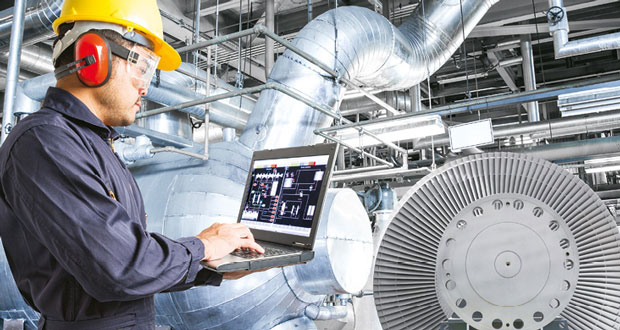
Installation is just the beginning, long-term performance, compliance and return on investment depend on structured lifecycle maintenance, not just reactive repair.
In electrical contracting, project completion is often treated as the finish line. Systems are commissioned, certificates are issued and the installation team moves on. Yet in reality, that moment is only the starting point of a building’s electrical lifecycle.
I’ve seen in my career too many systems installed well but maintained poorly. The industry still underestimates optimisation and preventative maintenance and clients often discover the consequences several years later when efficiency drops, compliance risks increase and capital assets underperform.
At CORE M&E Maintenance, the differentiation is clear. Installation matters but lifecycle support and planned preventative maintenance matter more. Without structured aftercare, even the most technically sound project will soon begin to degrade.
When efficiency quietly erodes
Let’s look at Combined Heat and Power systems. CHP is frequently specified to improve energy efficiency and reduce operating costs. When designed correctly, it can deliver meaningful performance enhancements. However, without ongoing optimisation and servicing, CHP systems often run below their original design efficiency.
The implications are significant:
- Fuel consumption increases for the same electrical output
- Heat recovery is under-utilised
- Payback times extend considerably
- Energy cost savings reduce
What began as a strategic energy investment becomes a marginal improvement at best and in some cases a financial burden. The issue is rarely poor installation but neglected optimisation.
Solar performance without oversight
Solar PV presents a similar pattern. Many systems are installed to meet sustainability objectives or secure environmental certification, particularly under schemes such as BRE Group BREEAM. Once the development achieves its required rating, attention shifts elsewhere.
However, solar arrays are not maintenance free. Inverter faults, panel degradation, dirt accumulation and monitoring failures all reduce output over time and without active performance monitoring and routine inspection, systems can underperform for months or even years without detection.
When this happens, projected financial returns no longer align with the original business case. Energy generation falls short, grid reliance increases and expected carbon reductions weaken, meaning reputational risk becomes as real as financial loss.
The hidden risk in UPS systems
Uninterruptible Power Supply systems are designed to protect critical loads. In commercial environments and residential schemes, they underpin resilience, yet many UPS failures stem from something entirely predictable, battery neglect.
Batteries have a defined lifespan and when replacement is delayed beyond the manufacturer’s recommendation, failure rates increase and backup duration shortens. In the worst case scenario, the system fails precisely when it is needed most.
The consequence is not simply inconvenience, it can mean data loss, operational disruption or damage to sensitive equipment, all of which far exceed the cost of structured battery maintenance.
The hidden risk of neglected emergency lighting
Emergency lighting is one of the most critical life safety systems within any building, yet it is frequently overlooked until it is urgently needed. Failure to carry out routine monthly function tests, annual full-duration tests and timely remedial repairs can have serious consequences for building management teams and duty holders.
Under the Regulatory Reform (Fire Safety) Order 2005 and BS 5266-1, responsible persons are legally required to ensure emergency lighting systems are maintained and fully operational. Without structured testing and documented compliance, battery degradation, charger faults and light fitting failures often go unnoticed. Systems may appear functional under normal conditions yet fail entirely during a power outage.
The implications extend far beyond technical non-compliance. Inadequate escape route illumination during an emergency increases the risk of injury, panic and potential loss of life. From a legal perspective, missing test records or unresolved defects can result in enforcement action, significant fines, invalidated insurance policies and reputational damage.
Proactive inspection and preventative maintenance not only ensure regulatory compliance but also protect building occupants and assets. Emergency lighting should never be treated as a passive system, it must be actively managed to perform when it matters most.
Compliance as strategy, not paperwork
Electrical compliance is often approached as a statutory obligation rather than a strategic tool. Fixed wire testing, Portable Appliance Testing and inspection programmes are scheduled to meet regulatory deadlines, not to inform asset planning.
This reactive mindset misses an opportunity. Inspection data provides early warning signs of infrastructure fatigue, thermal stress and distribution imbalance. When used properly, it supports capital planning and risk mitigation.
Treating compliance as a tick-box exercise results in late-stage remedial works, emergency shutdowns and unplanned expenditure. Treating it strategically enables planned upgrades and controlled investment.
The cost of reactive repair
One of the most overlooked consequences of poor aftercare is asset downtime. When systems are allowed to degrade until failure, repair lead times extend. Specialist parts may need sourcing and engineers must be mobilised urgently, operational disruption escalates.
In contrast, preventative maintenance allows components to be replaced during planned windows. Disruption is minimised, costs are predictable and asset life is extended.
From a commercial perspective, maintenance protects capital investment. Electrical infrastructure is not short-term expenditure, it is a long-term asset class and protecting it requires the same discipline applied to financial or property portfolios.
A lifecycle mindset
The industry’s fragmentation has historically separated design, installation and maintenance, resulting in a gap between performance intent and operational reality.
A lifecycle approach closes that gap, it links design intent with long-term optimisation. It ensures that lighting systems, LV distribution, CHP, solar, generators and UPS infrastructure continue to perform in line with their original specification.
For building owners and asset managers, the message is straightforward – installation delivers potential and aftercare delivers performance.
Conclusion
Electrical projects rarely fail on day one, they fail gradually, quietly and expensively when maintenance is underestimated.
The sector does not need more installations, it needs more optimisation, more structured PPM and more accountability for long-term outcomes.
That is where the real value sits.
By Tom Lyons, General Manager, CORE M&E Maintenance
The post Why electrical projects fail without adequate aftercare appeared first on FMJ.