
How CMMS Transforms Workplace Strategy
Office space doesn’t work the way it used to. Hybrid schedules, fluctuating occupancy, and rising employee expectations have made it harder than ever to plan, manage, maintain, and optimize physical spaces. At the same time, facility operators are under pressure to retain occupants, cut costs, and adapt to evolving hybrid work norms. The old planning models built around square footage per employee and static utilization benchmarks no longer cut it in today’s environment. As space utilization patterns fluctuate and change, so does the wear and tear of assets within buildings. Maintenance strategies for these spaces must similarly adapt to stay effective. Across the board, organizations need to embrace fresh methods for decision-making based on real-time data. Modern Computerized Maintenance Management System (CMMS) platforms can be the key to optimizing workplace efficiency for employees and maintenance teams, while also promoting cross-functional collaboration.
From Maintenance Tracking To Strategic Asset Intelligence
Historically, CMMS platforms were designed to track maintenance requests, manage assets, and schedule preventive work. Useful, but siloed. As organizations manage more complex real estate portfolios and face increasing pressure to stretch resources, these systems are evolving into enterprise-wide platforms that offer visibility into asset performance and lifecycle health.
Advanced CMMS tools allow organizations to combine data from various locations into one system, enabling leaders to track equipment life cycles, equipment failure patterns, and asset management effects on future capital planning. The centralized approach enables facilities teams to transition from emergency repairs to strategic investments based on real-time data, which transforms CMMS from a cost center into a strategic planning tool.
It’s a critical shift. Maintenance expenses typically account for 20-60% of a company’s total operating expenditure, and without a centralized system, crucial data that could reduce those expenses often gets overlooked or unmanaged.
Automation And Workflow Efficiency Across Departments
Facilities teams don’t work in isolation. Today, managing a workplace requires seamless coordination between maintenance, IT, operations, and third-party vendors. Without connected systems, tasks get duplicated, service delays increase, and accountability is lost.
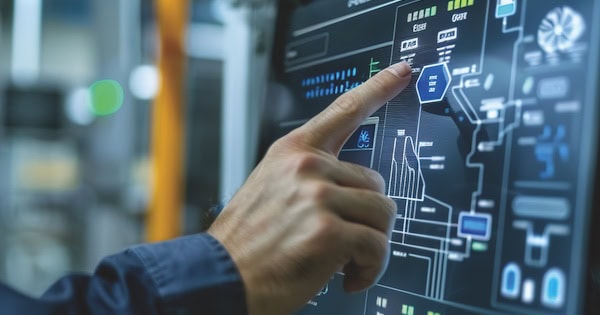
Modern CMMS platforms are changing that. With mobile access, automated scheduling, and built-in workflows, CMMS tools can streamline everything from preventive maintenance to vendor service level agreements. Field teams can access real-time updates, close out tasks, or upload photos from anywhere, improving accuracy and speed.
This doesn’t just improve internal workflows; it can strengthen partnerships. Vendor interactions can be tracked and evaluated in-platform, service-level compliance is visible in real time, and scheduled activities can be tied directly to budgeting and purchasing. All of this allows for faster response times, better planning, and a stronger focus on value-added work.
Real-Time Data: The Bridge Between Space, Assets, And Experience
Perhaps the most transformative evolution in CMMS platforms is how they now integrate space utilization, IoT, and experience data. When occupancy, environmental, and asset performance data flow into one system, facilities leaders gain a real-time snapshot of how buildings are functioning and how they’re being used.
CMMS enables integrations with building automation and sensor systems to detect anomalies, monitor indoor air quality, track room usage, and even trigger automated workflows without human intervention. For example, if an HVAC unit fails, sensors can alert the system, automatically generate a work order, and notify the right technician with no emails or delays required.
This level of integration also opens the door to broader planning. Space utilization metrics can inform HR strategies, capital investments, and even sustainability goals. If 83% of employees regularly avoid a certain floor, that signals a deeper experience issue. If only 40% of meeting rooms are ever booked, why are new ones being built?
By making space, asset, and experience data actionable, CMMS platforms help organizations close gaps, avoid waste, and make strategic changes grounded in how people actually work.
The Connected Workplace
Organizations that continue to rely on traditional space planning and reactive maintenance will struggle to keep up with today’s fast-changing workplace demands. In contrast, those that embrace real-time data, automation, and connected CMMS platforms are better equipped to drive efficiency, agility, and resilience. By breaking down departmental silos and shifting maintenance from a reactive task to a strategic function, CMMS empowers facility leaders to build smarter, more adaptive environments.
As the workplace becomes a driver of organizational growth, CMMS platforms serve as the backbone for long-term success. They enable real-time responsiveness, informed capital planning, and deeper alignment between facilities and business objectives. Moving beyond upkeep to continuous optimization isn’t just an operational shift–it’s a strategic advantage.
By Caroline Ruhland
From the August 2025 Issue of Facility Executive
Ruhland is a Product Marketing Lead at Accruent, leading go-to-market strategy for EMS, Accruent Space Intelligence, and FAMIS 360. She specializes in addressing the complex challenges of facilities and asset management in the corporate sector, delivering technology solutions that enhance operational efficiency and business value.
Do you have a comment? Share your thoughts in an e-mail to the Editor at [email protected].