

Navigating The 2026 Fluorescent Lamp Bans
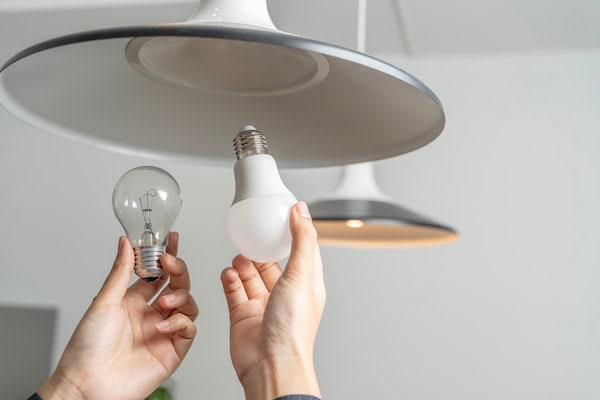
As of January 1, 2026, bans on the sale of linear fluorescent lamps went into effect in Maine, Minnesota, and Hawaii, joining Canada and six other U.S. states that have already enacted similar restrictions. Many manufacturers have phased out the production of fluorescent lamps and ballasts in response to declining demand, and replacement components are becoming increasingly difficult to source, regardless of whether your state has implemented a ban on fluorescent lamps.
For facility managers, this regulatory shift represents more than a compliance challenge—it can be a catalyst for meaningful facility upgrades that deliver substantial energy savings, reduced maintenance costs, and enhanced occupant comfort. The question isn’t whether to upgrade, but how to do so in the most strategic and cost-effective manner.
The Cost And Performance Benefits Of LED Upgrades
For stakeholders, a complete overhaul to LED technology can seem daunting, but the effort offers tangible operational benefits that extend well beyond regulatory compliance:
- Energy Efficiency: LED systems typically consume up to 50% less energy than comparable fluorescent installations, resulting in lower electricity costs and progress toward sustainability goals.
- Maintenance Savings: LEDs have significantly longer lifespans than fluorescent lamps, resulting in reduced replacement frequency and associated labor costs. Facilities can redirect maintenance resources from routine lamp changes to other priorities.
- Improved Performance: Unlike fluorescents, LEDs contain no hazardous materials, offer superior color rendering, and can provide tunable white light capabilities that enhance visual comfort and aesthetics.
- Control Integration: LED fixtures easily integrate with advanced lighting control systems, enabling occupancy sensing, daylight harvesting, and programmable schedules that drive additional energy savings and code compliance.
Strategic Planning: Four Steps To Assess Your Facility’s Lighting Needs
Before launching into upgrades, facility managers should conduct a systematic assessment of their current lighting infrastructure. This planning phase will determine the most cost-effective path forward and help avoid common pitfalls.
- Conduct a Comprehensive Lighting Audit
Survey your existing lighting infrastructure to identify all areas with fluorescent lighting. Document fixture types, their condition, and the specific lighting requirements of each space to help inform decision-making about the appropriate scope and scale of an LED retrofit. Pay particular attention to spaces where lighting performance directly affects operations—offices, classrooms, healthcare environments, and production areas all have distinct needs that should guide your approach. - Define Your Upgrade Objectives
Establish clear goals for your lighting upgrade beyond basic compliance. Are you targeting specific energy reduction percentages? Looking to eliminate ongoing ballast maintenance issues? Planning to enhance lighting quality in particular areas? Seeking to meet evolving energy code requirements? Your objectives will determine whether simple LED retrofits are sufficient or whether a more comprehensive upgrade with integrated controls delivers better long-term value. - Evaluate Your Options: Retrofit vs. Replace
For facilities with tight budgets or where minimal disruption is critical, LED retrofit solutions allow you to upgrade existing fixtures without complete replacement. Several approaches offer different balances of cost, performance, and long-term reliability: Type C TLED retrofits are the most reliable retrofit option for long-term performance. With Type C kits, you replace existing fluorescent ballasts and lamps with LED drivers and lamps that have been explicitly tested for compatibility. Depending on the manufacturer, these solutions can preserve existing dimming and control capabilities, allowing you to upgrade systems gradually—fixture by fixture or in groups—without compromising performance. New LED fixtures are often the right choice when existing fluorescent fixtures are aged or when your goals include enhanced control capabilities, as they offer the best performance and flexibility. Paired with wireless lighting controls, new fixtures can enable tunable white control, individual fixture management, and integration with building management systems—capabilities that are costly or impossible to add to legacy fixtures. - Consider Control System Integration
If your current lighting operates without controls—as is the case for over 75% of installed fluorescent systems—the transition to LED presents an ideal opportunity to add intelligent control capabilities that weren’t feasible with fluorescent technologies. Today’s energy codes increasingly require features like daylight harvesting, zone control, and occupancy sensing. With traditional wired systems, implementing these strategies often demands costly rewiring or infrastructure changes. Wireless control systems streamline the installation and programming process, communicating via radio frequency rather than requiring low-voltage wiring throughout your facility.
A Practical Roadmap To Phased Implementation
When busy schedules, tight budgets, or any of dozens of other reasons make a complete LED upgrade impossible, facility managers might find a phased approach more practical. LED Retrofit kits give them a variety of options.
Test with Mock-Ups: Before committing to facility-wide upgrades, implement a small-scale mock-up to assess the effectiveness of the proposed changes. This approach allows you to evaluate the retrofit process, understand actual costs, and assess results before scaling up. The right retrofit kit can make upgrades surprisingly straightforward, but confirming this with a small-scale test reduces risk.
Leverage Financing Options: Explore utility rebates, grants, and incentives designed to offset initial investment in energy-efficient upgrades. Utility companies may offer substantial rebates for LED retrofits and control system installations, which can significantly reduce project costs. Some programs specifically target lighting upgrades ahead of regulatory deadlines
Start with High-Impact Areas: Prioritize spaces with the highest operating hours or occupancy levels, such as main corridors, lobbies, and open office areas. These locations deliver the fastest return on investment through energy savings and increased visibility can be crucial in garnering support for further phases.
Align with Planned Renovations: Coordinate lighting upgrades with scheduled tenant improvements, space reconfigurations, or other renovation work. This integration minimizes redundant ceiling access and allows comprehensive improvements that address lighting, controls, and space functionality simultaneously.
Beyond 2026: Positioning For Long-Term Success
The latest fluorescent lamp bans in Maine, Minnesota, and Hawaii are part of a broader industry transition. For facilities still operating fluorescent systems, now is the time to plan and implement LED upgrades that not only meet today’s requirements but position your building to take advantage of smart, integrated technologies that keep it operating at a high level for years to come.
By Tom Shearer
Shearer is a commercial business development manager at Lutron Electronics, where he works with institutions and facility professionals to implement lighting and control solutions that drive energy savings, sustainability, and operational efficiency. He has authored multiple industry articles and regularly contributes to thought leadership on smart lighting strategies across the built environment.