

Supercharge Facility Cleaning With Robotics & Sensors
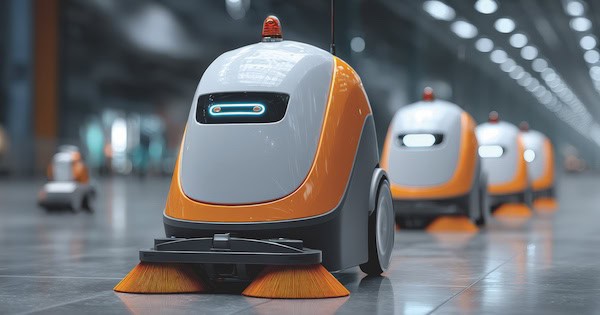
Across corporate campuses, airports, healthcare facilities, manufacturing plants, and other commercial installations, automated systems are re-shaping operations. Between 2024 and 2025, the cleaning robotics market grew nearly 24% year-over-year, driving a shift from a niche interest area to an industry essential. There’s a good reason for this surge. Smart scheduling, real-time monitoring, and optimized workflows can transform daily operations while keeping rising labor costs in check.
But unlocking these benefits requires a strategy that elevates human expertise rather than trying to replace it. With a human-centered approach to cleaning tech, facilities can offer a genuine sense of hospitality, while their managers ensure they’re optimizing budgets and supporting staff.
After all, today’s facility leaders are balancing competing priorities: many are tasked with pursuing innovation while maintaining service quality, integrating new tools while sustaining staff culture, and controlling costs while enhancing the visitor experience.
Meeting those kinds of demands is a tall order—but it also represents a game-changing opportunity for leaders who get it right. The following are three strategic approaches to help.
1. Identify The Right Technology For Specific Facility Needs
Success starts with understanding your challenges before choosing solutions. That means a clear-eyed analysis of current operations, measuring actual costs, and pinpointing where technology will make a difference.
Start by looking at your full cost structure. What are your true labor expenses once absenteeism, vacation coverage, and training are factored in? How do those compare with the upfront investment and ongoing upkeep of new tools? This view helps avoid the costly mistake of adopting impressive-looking gadgets that don’t deliver real returns.
Once you understand where resources are going, it becomes easier to see how specific technologies can address key challenges and create a measurable impact.
For large, complex facilities like airports, life sciences buildings, or corporate campuses, robotics and sensors can solve multiple problems at once. Restroom sensors, for example, monitor traffic and supply levels in real time, cutting both wasteful over-cleaning and risky under-cleaning. Robotics also shines in repetitive, physically demanding tasks like floor scrubbing and vacuuming. This gives staff more flexibility to handle complex spaces and high-touch areas where human attention makes the biggest difference.
Of course, not every tool is suited to every space. A robot that performs well in an open office may struggle in a healthcare facility. Understanding productivity rates, set-up needs, and maintenance demands is crucial. Without research and testing, a promising $5,000 solution can quickly become a $10,000 problem.
The difference-maker? Partnering with vendors who view implementation as an ongoing collaboration, offering training, support, and adjustments as your needs evolve.
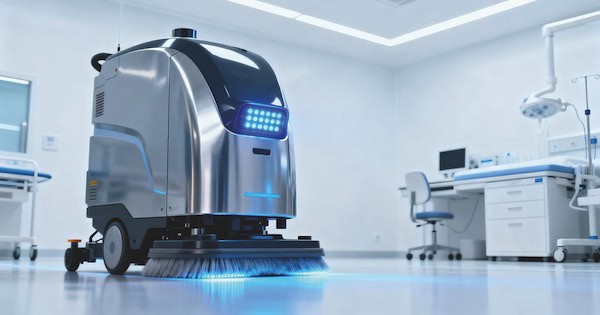
2. Use Technology To Enhance Human Efforts—Not Replace Them
Smart cleaning strategies focus on making human work safer, more efficient, and more rewarding. By taking on heavy scrubbing and vacuuming, robots reduce physical strain and enable staff to concentrate on the tasks that matter most for health and safety—like disinfection and detailed cleaning that prevents contamination and ensures consistently clean spaces.
Automated vacuums, for instance, can cover long corridors while staff focus on edge cleaning and high-traffic areas. This flexibility becomes even more valuable when staffing is tight. For example, robots can cover gaps when team members are out, allowing managers to move people strategically where judgment and care are needed most. Meanwhile, sensors can reduce unnecessary trips to check supplies, cutting strain and freeing up energy for tasks where people add unique value.
A human-driven approach sparks benefits far beyond operational efficiency. Staff who finish shifts are less fatigued and with fewer injuries report higher job satisfaction and stay longer. Lower turnover and fewer workers’ compensation claims add financial gains that compound over time. And facility leaders know they’re delivering the kinds of environments that make good impressions last.
These benefits depend on empowering staff with the right knowledge and tools. Training is critical to ensuring cleaning teams understand both traditional cleaning techniques and new technology. When equipped with comprehensive skills, they gain confidence and step up as active contributors to innovation rather than passive recipients of change.
Cleaning technology also opens doors for career growth. Many leaders began in frontline roles and advanced through training and development programs. Modern tools, with their visibility into performance metrics and outcomes, create new opportunities for meaningful recognition as well as professional development.
3. Realize Measurable Benefits That Enhance A Facility’s Value
Facility leaders should expect clear, demonstrable returns from their cleaning technology investments. The strongest partners do more than show up with modern equipment—they share performance data that validates results and highlights opportunities for improvement. They leverage procurement and market relationships to ensure technology is both effective and affordable. By researching, testing, and implementing solutions already proven for frontline teams, they make sure that tools perform in real-world settings and drive meaningful impact.
With this foundation, leaders in this space can then focus on measurable outcomes, from labor efficiency and cost control to environmental benefits like reduced supply waste or better air quality. HEPA-filtered robotic vacuums, for instance, improve both cleanliness and indoor health.
Day cleaning programs illustrate how it all comes together. Robots handle predictable, large-area tasks while human staff focus on engagement and detail work. In this model, cleaning professionals also serve as ambassadors, creating positive impressions in lobbies, student centers, or airport terminals.
Building A Cleaner, Smarter Future
When integrated thoughtfully, advanced cleaning technology and human expertise amplify each other. Robots bring consistency; humans bring judgment and care. Together, they shape operations that are efficient, welcoming, and sustainable.
The key is ongoing collaboration among vendors, teams, and managers, with regular monitoring and workflow adjustments to stay current and cost-effective. Smart cleaning technology promises a lot—and with the right people behind the strategy, it delivers environments that feel as good as they look.
By Holly Borrego
From the December 2025 Issue
Borrego leads ISS’ Cleaning Products & Performance service line in the Americas Region. Over the course of her career, Borrego has held nearly every position from front-line janitor to senior management, giving her a unique ability to foster collaborative, high-performing teams and cleaning programs that exceed expectations, produce cost savings, and enable safe, welcoming workplaces.
Do you have a comment? Share your thoughts by sending an e-mail to the Editor at [email protected].