

What accessibility truly means in the washroom
Jamie Woodhall, Technical & Innovations Manager at Initial Washroom Hygiene
A significant proportion of the population lives with disabilities or health conditions, many of them hidden, yet most workplaces do not reflect the full range of needs people bring with them[1]. In the UK, one in five people of working age are disabled, while 14 million people suffer from continence issues and around 6.5 million have a bowel condition[2]. Their needs are often overlooked in the very spaces where privacy and dignity matter most, with washrooms being one of the most fundamental touchpoints where these needs must be respected.
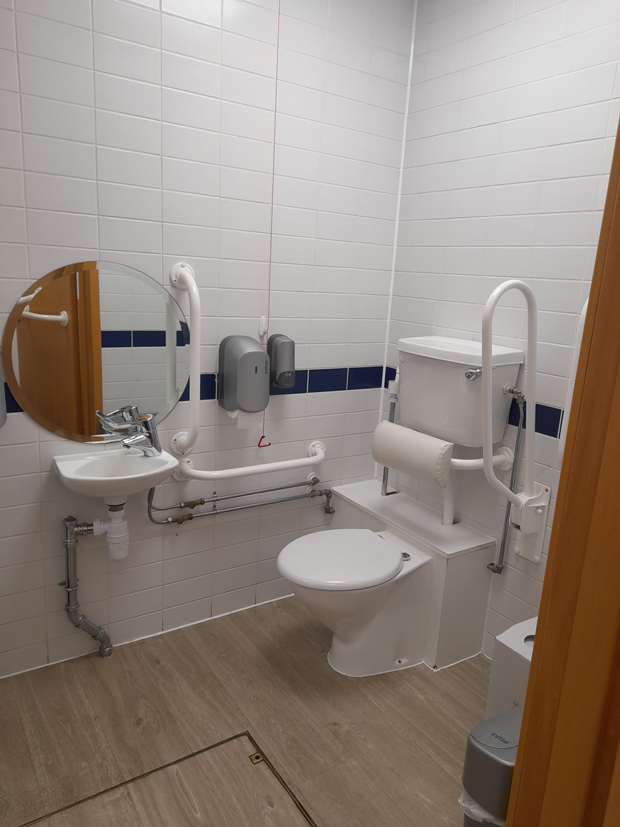 Many so-called ‘accessible’ washrooms fall short. Initial Washroom Hygiene’s recent survey revealed that more than a quarter (26 per cent) of disabled washroom users are dissatisfied with the accessible facilities they encounter. Key issues include the absence of soap, lack of adequate waste disposal, no alarm cords, and out-of-reach fixtures[3].
Not only are these washrooms falling short of basic access requirements, but more than a third of people with disabilities said they have been challenged when attempting to use accessible toilets. Half of those said that they were told they do not look ‘disabled enough’, while 70% of those challenged say it happens at least once a month[4].
There’s a real opportunity for employers to reconsider accessibility in their washrooms, as the indications are that the needs of many users are still not being considered from the outset.
Moving from accessible in theory to accessible in reality
Many washrooms still rely on narrow assumptions about what users need. Facilities tend to focus primarily on mobility impairments, while overlooking the far wider spectrum of lived experience.
This results in washrooms which technically meet regulatory requirements, yet fall short of genuinely supporting the people who rely on them. Accessibility requirements are protected under the Equality Act 2010, which places a duty on businesses to make reasonable adjustments so that disabled people can access their premises and facilities without disadvantage, but legal compliance is only the starting point.
When individuals cannot meet their basic needs in a safe and dignified way, the anxiety and loss of confidence that follow can have a profound and lasting impact on their mental wellbeing, shaping whether they feel able or welcome to participate fully in workplaces and public spaces. For example, 70 per cent of the respondents surveyed said they have avoided certain locations due to uncertainty about available facilities[5].
This disconnect between theoretical accessibility and real lived experience has driven greater scrutiny of washroom design, particularly around the provision of discreet, hygienic waste disposal. Continence issues affect millions of people, including large numbers of men, yet appropriate disposal options remain rare in male and unisex washrooms. Initial Washroom Hygiene’s research found that half of men with incontinence issues are afraid to leave their homes due to concerns about inadequate facilities, while almost a third have resorted to carrying used products in a bag or coat because there was no suitable bin available[6].
Recognising this gap, Initial Washroom Hygiene developed the Signature Inclusive Sanitary Bin, designed to support dignity within the cubicle by allowing all forms of hygiene waste to be disposed of safely and discreetly, regardless of washroom type. By ensuring disposal is possible in situ (without awkward manoeuvring or the need to leave the cubicle with used products), units like this recognise that people’s hygiene needs are varied and complex.
Crucially, these developments reflect a broader principle rather than a single solution. Washrooms should be designed with flexibility and inclusivity at their core, recognising that people’s access needs vary widely across age, health, life stage and personal circumstance. From stoma shelves positioned at the correct height, to low-fragrance environments that support neurodiverse individuals, to simple but essential additions like discreet disposal bags or wipes, the path to dignity is made up of small but meaningful design choices.
Dignity also depends on the practical infrastructure that enables people to manage their hygiene needs safely. Users being forced to carry used products with them or attempting to flush them is not only distressing but directly contributes to blocked plumbing, environmental damage and compromised hygiene. With two billion menstrual items flushed down UK toilets every year and one in ten people in the UK still believing nappies can be safely flushed, these gaps in design pose real risks to both wellbeing and public water systems[7] . Modern washrooms must therefore offer disposal options that are easy to reach, discreet and suitable for every type of hygiene waste.
Dignity as a benchmark for modern washrooms
As organisations strive to create environments that welcome everyone, the washroom has become an unexpected litmus test for inclusion. Poor provision can deter people from visiting, working for or engaging with an organisation, and can have reputational consequences far beyond the cubicle door.
The future of washroom design lies in recognising the diversity of the people who use them. When we plan spaces around real lived experience, rather than the minimum legal requirement, we create environments that allow everyone to move, work and live with confidence. A truly accessible washroom is not defined by its fixtures; it is defined by its ability to give every person the same thing: privacy, safety and dignity.
References:
[2] https://commonslibrary.parliament.uk/research-briefings/cbp-9602/; Bladder & Bowel UK (2018)
[3] Consumer research of 500 adults with long-term disabilities who need to use accessible washrooms in the UK was undertaken by Mortar Research on behalf of Initial Washroom Hygiene, April 2025.
[4] https://www.initial.co.uk/blog/more-than-just-a-sign-accessible-washrooms/
[5] Consumer research of 500 adults with long-term disabilities who need to use accessible washrooms in the UK was undertaken by Mortar Research on behalf of Initial Washroom Hygiene, April 2025. https://www.initial.co.uk/washroom/accessible-washrooms/
[6] Consumer research of 900 male adults and carried out in April 2022. https://www.initial.co.uk/about-us/stalls-for-all-male-incontinence
[7] Unblocktober: Public misconception on flushing habits fuels flooding – Cleaning Hygiene Today; businesswaste.co.uk
The post What accessibility truly means in the washroom appeared first on FMJ.