
Cleanliness As A Trust Signal In Senior Care Facilities
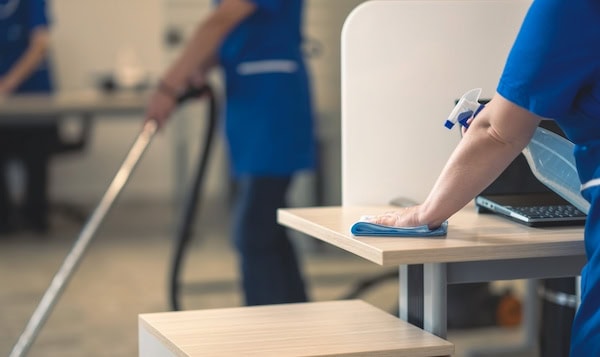
For families with loved ones in senior care, flu season brings a different kind of vigilance. Cleaning routines and daily operations are no longer background details but signals of how well a facility can protect residents when risk increases.
Adults 65 and older account for 85% of seasonal flu–related deaths and 70% of hospitalizations, and with a new flu variant potentially making this year’s flu vaccine less effective, families are paying closer attention than ever. What they see shapes trust long before any conversation takes place.
For senior care leaders, this scrutiny raises the stakes: cleanliness must be judged through both a compliance lens and whether operational systems appear prepared and able to hold under pressure.
What Families Worry About and Where Facilities Lose Them
Families evaluating senior care communities pay close attention to day-to-day cleanliness. What they observe shapes their confidence in how well residents are protected, and those concerns usually fall into three areas.
The first is infection prevention in shared spaces. Dining rooms, activity spaces, elevators, and other shared areas see constant traffic. Families notice when cleaning routines in those spaces are steady from shift to shift, and they’re quick to pick up on changes that only appear as reactionary fixes after an issue or outbreak.
The second concern is chemical exposure and indoor air quality. Many senior residents live with respiratory conditions or sensitivities that make harsh disinfectants a risk in themselves. One meta-analysis found that volatile organic compounds had a medium-sized effect on pulmonary diseases, including the onset of asthma and wheezing. As a result, product choice and cleaning frequency become more visible points of concern, particularly in facilities caring for residents with respiratory sensitivities. When facilities cannot explain those choices clearly, even well-intentioned protocols can undermine confidence.
The third concern is reliability under staffing pressure. With nursing home staff turnover exceeding 50%, families know staffing is tight, and they notice when that pressure shows up in cleaning routines. Missed surfaces or uneven upkeep are rarely read as one-off issues.
Where facilities can lose family confidence is not in the existence of their protocols but in how these practices are experienced and communicated. Statements like ‘we follow guidelines’ may satisfy compliance requirements, but they don’t appease families’ concerns about the system holding under pressure.
Building Confidence Through Systems, Not Statements
When cleanliness becomes an issue, many facilities instinctively compensate with overcommunication. There’s more signage, more reassurance, and more reminders that protocols exist. However, families can lose confidence when what they see doesn’t match what they’re told, such as too few sanitizing stations in shared spaces.
Reactive or ad hoc cleaning can quickly undermine trust. When cleaning increases after an illness spike or complaint, it highlights inconsistency rather than preparedness. When routines appear to change based on circumstance rather than design, cleanliness can be seen as situational, not dependable.
Standardized, preventive cleaning systems tackle this problem by separating escalation from improvisation. For example, facilities with predefined surge procedures can increase cleaning frequency during flu season using the same checklists and products already embedded into daily operations. From the outside, spaces look consistently maintained, not suddenly cleaner, because escalation is built into the system.
This distinction is critical during high-pressure times, like flu season or during staff shortages. Facilities with escalation plans can expand coverage without changing protocols or retraining staff while operations are already under strain. From a risk perspective, that consistency reduces operational errors, limits exposure, and reinforces confidence when scrutiny is at its highest.
Most importantly, system-driven cleanliness changes how confidence is built. Families may never read a protocol manual, but they notice when shared spaces are maintained day after day, meaning cleaning routines don’t change during tours or visits. Families know when cleanliness is part of normal operations rather than a response to being observed.
Safer, Simpler Cleaning As An Operational Advantage
Cleaning protocols are often reviewed for their effectiveness and compliance, although their impact on the workforce is equally important. In senior care environments, where staffing stability is already under pressure, complex requirements and harsh chemicals increase operational risk by undermining staff health, retention, and consistent execution.
When cleaning protocols rely on multiple products and frequent procedural changes, they increase the cognitive load on staff. For frontline teams working long shifts, that complexity raises the likelihood of missed steps or inconsistent application. Harsh chemicals can exacerbate issues, contributing to respiratory irritation, skin sensitivity, or fatigue that increases absenteeism and staff turnover.
In many senior care facilities, this added pressure doesn’t come from one change but from many small ones. Cleaning protocols shift as new requirements are added, bringing in more products, extra dilution steps, and different rules for different spaces. During onboarding, staff learn the basics, but once shifts get busy, much of the work depends on memory and quick handoffs. Over time, routines start to vary, not because staff aren’t paying attention, but because the process itself is hard to understand.
Safer, simple cleaning systems reduce these issues. Protocols that use fewer, safer products and clearer steps are easier to train and lead to consistency. New staff can be onboarded more quickly, there are fewer errors under pressure, and supervisors spend less time making corrections.
Product choice matters for the same reason. When cleaning programs rely on safer, lower-irritation products, staff are exposed to fewer chemicals over the course of a shift. As team members move room to room and spend hours cleaning shared spaces, that difference adds up. Fewer complaints about breathing irritation or skin reactions mean staff can stick to routines without interruption, and supervisors spend less time stepping in to troubleshoot.
This intentional simplicity is valuable during periods of workforce disruption. When staffing levels fluctuate, facilities with efficient cleaning protocols are better able to maintain standards. Viewed this way, cleaning is both an environmental services concern and a workforce and risk-management strategy.
In senior care settings, cleanliness shows up in small, repeated ways. Shared spaces look the same from one day to the next. Routines don’t change during tours or outbreaks, and staff follow the same processes even when shifts are short or workloads are heavy. Those details shape how families assess whether a facility is well run. When routines hold under pressure, confidence follows.
By Joshua Schwartz
Schwartz is the President and Co-Founder of Viking Pure Solutions, which is redefining the future of commercial cleaning and disinfection. An alumnus of Yale University, he is also an active developer of medical real estate and supportive housing.